
Fashion’s climate problem isn’t exactly news. The numbers speak for themselves—around 10% of global emissions stem from the industry’s sprawling, global supply chains. While climate commitments and sustainability initiatives have multiplied, the gap between ambition and action remains. According to the Apparel Impact Institute’s 2024 report, over 500 apparel, footwear, and textile companies have been approved for science-based targets or have committed to setting them through the Science Based Targets Initiative (SBTi).
Yet despite these commitments, emissions are still rising in some areas. The challenge isn’t a lack of solutions. Clean energy, low-impact materials, AI-powered carbon accounting platforms, efficiency upgrades, and innovative technologies are all within reach. The real hurdle lies in scaling these solutions across fragmented, multi-tiered supply chains that are often opaque and slow to change.
It’s not that companies aren’t trying. Many are grappling with operational complexities, limited supplier visibility, and competing pressures. Even with the best intentions, brands can struggle to trace material sources or influence the energy choices of distant factories. Suppliers, in turn, face their own constraints, from tight margins to unpredictable demands.
But all is not lost. Decarbonisation is possible—if you know what you’re doing, and do it right.
This guide lays out the nitty-gritty of decarbonisation. It’s packed with practical strategies to help turn ambition into measurable impact.
Why Decarbonisation is Critical for Fashion Now
Decarbonisation isn’t just an ethical choice or a marketing angle; it’s about the survival of your business. Regulations are tightening, investors are watching, and consumers are making sustainability a baseline expectation, not a bonus.
Take the Corporate Sustainability Reporting Directive (CSRD), Carbon Border Adjustment Mechanism (CBAM), and Ecodesign for Sustainable Products Regulation (ESPR). These aren’t just checkboxes; they’re reshaping how brands must operate, demanding that emissions are measured, disclosed, managed, and reduced. Falling behind won’t just mean a slap on the wrist: it could mean a full-blown reputational and financial crisis.
But the challenges don’t end there. The climate crisis is already hitting supply chains hard.
Rising temperatures, flooding, and shifting weather patterns are creating real-world disruptions. According to Cornell University’s Global Labour Institute report, by 2030, up to $65 billion in apparel exports could be at risk if these issues aren’t addressed.
For brands, decarbonisation isn’t just an environmental or compliance challenge; it’s an operational one as well.
Here’s the good news: most fashion brands could cut their emissions by over 60% for less than 1–2% of their revenues.
In short, decarbonisation is about saving the planet –Yes, but it’s also about saving costs, staying competitive, and securing a profitable future for your brand.
Where Do the Fashion Industry’s Carbon Emissions Come From?
If you think decarbonisation is as simple as switching off a few lights or buying carbon credits, think again. Fashion’s emissions are woven deep into every part of the supply chain, or scope 3 if you want to get technical.
Here’s the breakdown: roughly 70% of fashion’s emissions come from upstream activities like fibre production, textile processing, and garment assembly. These aren’t the glamorous front-end activities you see in showrooms or marketing campaigns; they’re the energy-intensive operations powering the industry behind the scenes.
The remaining 30% of emissions come from downstream activities, including retail operations, garment use, and disposal. This covers everything from the carbon footprint of running a store to the energy used when consumers wash and dry clothes.
What’s striking is that most brands don’t have clear visibility into where these emissions come from, especially upstream, where Tier 2 and Tier 3 suppliers often operate with limited oversight. It’s one thing to set a target; it’s another to actually know where the biggest carbon hotspots are in your supply chain.
Understanding this footprint is the first step toward meaningful action. Without it, decarbonisation efforts risk being scattershot, only tackling low-hanging fruit while the real problems go untouched.
Why Decarbonising Fashion Supply Chains is particularly Hard
If decarbonising fashion’s supply chains were easy, it would already be done.
We’ve already discussed one of the most difficult barriers: supply chain transparency. Let’s put that in perspective: 93% of brands still don’t know who is making their materials or how those materials are produced. Without that baseline of information, efforts to cut emissions are like shooting in the dark.
But supply chain opacity is just the beginning.
The next challenge is influence or the lack of it. Even the largest brands often account for just a fraction of a factory’s output, limiting a brand’s ability to influence production decisions. In regions where coal remains cheap and clean energy infrastructure is limited, suppliers will default to what’s accessible, even if that means more emissions.
Then come the investment roadblocks. Installing solar panels, replacing old boilers, switching to more efficient dyeing systems, these things cost money. And most suppliers, already operating on razor-thin margins and tight timelines, don’t have the necessary funds to make such upgrades independently.
Short-term relationships make this even harder. When sourcing decisions are seasonal, suppliers have no incentive to make long-term investments. Why invest in cleaner machinery if there’s no guarantee you will receive orders next year?
And the global nature of fashion adds another layer of complexity. Regional energy realities vary dramatically. What’s viable in Pakistan may not be feasible in Turkey. Policy incentives, energy prices, and infrastructure aren’t the same everywhere, making decarbonisation a moving target.
But let’s not get discouraged just yet, because these aren’t dead ends. They’re starting points.
Change is not impossible, it just requires a mindset shift: from transactional sourcing to long-term partnership, from one-off audits to continuous engagement, and from isolated fixes to systemic change.
Tools like GreenStitch, which bring together supplier data, emissions tracking, and traceability infrastructure, can help brands navigate this complexity with more clarity and confidence.
15 Proven Strategies for Decarbonising Fashion Supply Chains
1. Map and Trace your Supply Chain
Most brands have visibility over Tier 1 (direct suppliers). But the real emissions come from Tier 2 and Tier 3: dyeing, finishing, and fibre production. Without this view, you won’t find out your actual emission hotspots. Invest in digital traceability, supplier mapping, and product-level lifecycle data to identify where your biggest carbon risks and opportunities are.
2. Prioritise Real Reductions Over Offsetting
Offsetting can play a temporary role, but it doesn’t clean up your supply chain. Insetting, making reductions within your own value chain, is more credible, measurable, and aligned with long-term business value. Whether it’s energy upgrades or regenerative sourcing, start where you have direct or indirect control.
3. Set Science-Based Targets
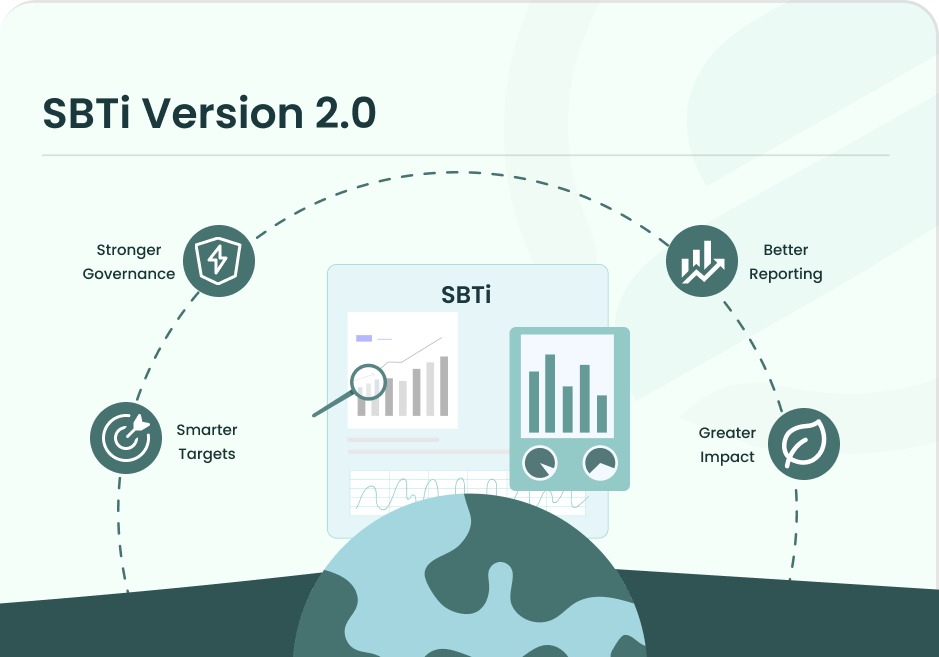
Joining the SBTi is a good start, but implementation matters more. Targets should be broken down by material category, sourcing region, and supplier group. If you’re sourcing from agriculture-heavy sectors, the SBTi FLAG guidance helps address land-use emissions that are otherwise invisible in standard corporate inventories. Brands planning longer-term net-zero pathways should also track SBTi Version 2.0 of the Corporate Net-Zero Standard.
4. Make Clean Energy Accessible to Suppliers
Clean energy can reduce emissions fast, but many supplier regions like Bangladesh or Vietnam lack the financing or infrastructure required. Brands can help by aggregating demand for renewable PPAs, co-funding rooftop solar, or collaborating with local energy access initiatives. Without intervention, suppliers default to coal not by choice, but by necessity.
5. Make Energy Efficiency Upgrades
Energy efficiency doesn’t sound revolutionary, but it works. Retrofitting boilers, switching to low-liquor dyeing machines, upgrading HVAC systems, or installing heat recovery units can slash emissions and often pay for themselves in under five years. Brands can support with capital, long-term commitments, or shared savings models.
6. Prioritise Low-Impact Materials
Material choices matter. Switching from conventional cotton to organic, or polyester to recycled alternatives, can significantly lower cradle-to-gate emissions. But it’s not just about swapping fibres, it’s about working with suppliers who can prove environmental performance through data and certifications you trust.
7. Design for Waste Prevention
Around 15% of fabric is wasted during production. Smarter design, like digital sampling, 3D fitting, AI-assisted pattern efficiency, and modular garments, can reduce both material waste and emissions. Less waste upstream also means fewer downstream offsets and cleaner product footprints.
Learn more about how you can use AI to become a more sustainable fashion brand here →
8. Adopt Circular Models
Circularity isn’t just about end-of-life recycling. It’s about rethinking the entire product system. Repair services, rental programmes, take-back schemes, and fibre-to-fibre recycling infrastructure all contribute to lower lifecycle emissions when they’re embedded in the business model, not just marketing.
Bonus Tip: Under the EU’s Ecodesign for Sustainable Products Regulation (ESPR), brands will soon be required to design for durability, repairability, and recyclability. This makes circularity a compliance issue. Start aligning now to stay ahead of regulation and reduce retrofitting costs later.
9. Rethink Your Logistics Mix
Fast shipping often means high emissions. Optimising your transport mix, like shifting from air to sea, consolidating shipments, investing in smart logistics tech, and testing low-emission fuels, can reduce Scope 3 transport emissions without compromising speed or reliability.
10. Strengthen Supplier Engagement
Suppliers are the key to scalable decarbonisation, but they can’t invest if they’re stuck in transactional relationships. Offering multi-year contracts, sharing demand forecasts, and rewarding low-carbon innovations with preferred supplier status can unlock upgrades that brands alone can’t finance.
11. Co-Finance the Transition
Decarbonisation is capital-intensive. Brands should explore blended finance models with banks, development funds, or peer companies to help suppliers invest in clean tech. Shared financing can speed up the transition without putting suppliers at risk.
Learn more about sustainable financing options like Sustainability-Linked Bonds (SLBs) here →
12. Factor in Regional Carbon Intensity
Producing the same T-shirt in a coal-heavy vs. hydro-powered grid can result in a 5–10x difference in emissions. Start incorporating the energy mix of supplier countries into your sourcing decisions. If you can’t move regions, co-invest in energy improvements locally.
13. Make Carbon a Procurement KPI
If emissions aren’t part of your buying criteria, they won’t be part of your supplier’s priorities. Carbon intensity metrics should be built into RFPs, scorecards, and purchasing decisions, alongside cost, quality, and capacity.
14. Make Decarbonisation a Cross-Functional Effort
Decarbonisation isn’t just the sustainability team’s responsibility. It involves design, sourcing, finance, logistics, and product development. Set cross-functional KPIs, run internal trainings, and incentivise teams for hitting emissions targets just like you would for cost savings or delivery performance.
15. Measure Progress with the Same Rigour You Use for Financials
You can’t decarbonise what you can’t measure. Invest in carbon accounting tools that connect to supplier data, automate reporting, and deliver insight, not just spreadsheets. Platforms like GreenStitch make this scalable, verifiable, and regulator-ready.
How Fashion Brands Use GreenStitch to Decarbonise Their Supply Chains
No brand can decarbonise in isolation. The complexity of fashion supply chains demands collective action and the right digital infrastructure to make it possible.
That’s where GreenStitch comes in.
We help fashion and textile brands move from fragmented efforts to systemic change by combining supply chain data, emissions tracking, and collaboration tools into one unified platform.
- Traceability and Data Infrastructure:
GreenStitch connects and standardises supplier and facility-level data, helping you trace materials, track process emissions, and pinpoint carbon hotspots across the production stages of your entire supply chain.
- Supplier Engagement Tools
Share decarbonisation targets, get auto-generated performance reports, identify supplier hotspots, and track supplier improvements over time.
- Regulatory Compliance Support
Stay aligned with CSRD, ESPR, SBTi, and other frameworks through standardised reporting modules, audit-ready outputs, and validated material-level emissions data. GreenStitch ensures that your environmental impact calculations reflect the specific materials you use, whether it’s organic cotton from India or recycled polyester from China, so your disclosures are accurate, credible, and regulation-ready.
- Actionable Emissions Insights
Compare reduction scenarios, forecast carbon impacts of design or sourcing changes, and track progress against SBTi or FLAG targets with AI-powered scenario modelling tools.
Decarbonisation happens when data becomes visible, collaboration becomes scalable, and tools become intuitive. GreenStitch helps you make all three happen, at scale, and with less effort.
Conclusion
The path to a low-carbon fashion industry isn’t linear. It’s layered, complex, and often messy. But it’s also filled with possibility.
Decarbonisation is more than just a compliance tick box. It’s a chance to future-proof your business, reduce exposure to supply chain risks, and build credibility with increasingly climate-conscious consumers and investors. And while the scale of the challenge can feel overwhelming, the solutions already exist.
What’s missing isn’t technology, it’s implementation: alignment and streamlining.
Fashion has always been an industry of reinvention. Now, it’s time to apply that same creativity and ambition to the climate crisis.
Because when the dust settles, the brands that lead on decarbonisation will more than survive, they’ll thrive.