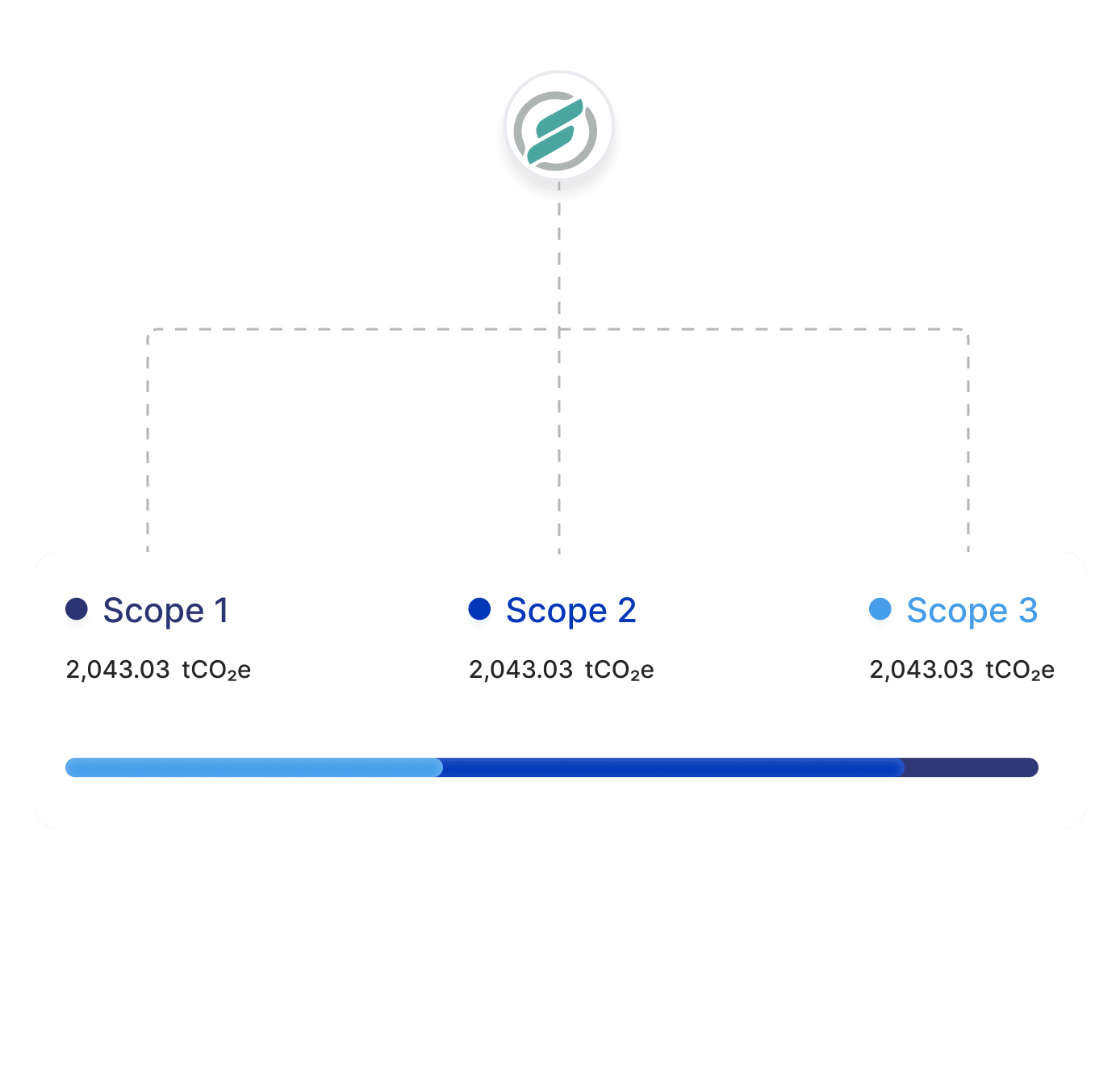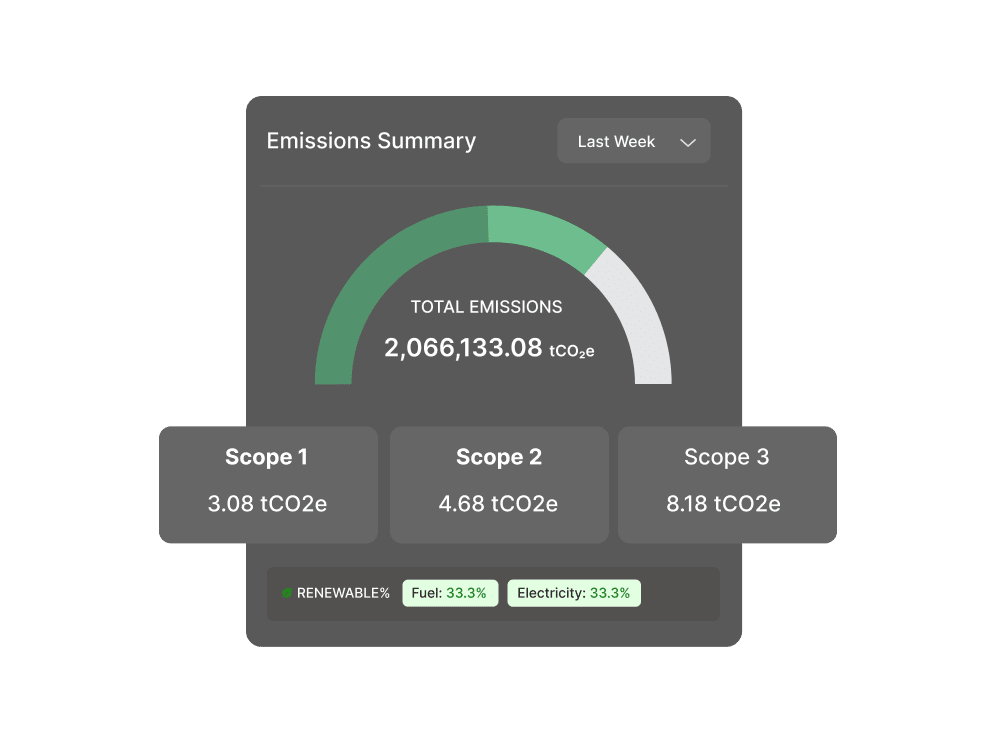

GreenStitch.io’s Carbon Accounting module offers precise, activity-based Scope 1, 2, and 3 tracking, including 3.1 Purchased Goods, FLAG, and biogenic emissions. Built for fashion and textile supply chains, it maps emissions by supplier, material, and facility, delivering audit-ready data aligned with CSRD, BRSR, SBTi FLAG, and CDP. Go from fragmented spreadsheets to fully automated & traceable disclosures.
Trusted By


Track all three scopes—Scope 1 (direct), Scope 2 (energy use), and Scope 3 (value chain)—including all 15 GHG Protocol categories: Purchased Goods and Services — with material-level logic and vendor mapping (3.1 ), Fuel- and Energy-Related Activities (3.3), Upstream Transportation and Distribution (3.4), Use of Sold Products (3.11), End-of-Life Treatment(3.12).
Access up-to-date, geography-adjusted emissions data covering key fibres like cotton, rPET, viscose, wool, and blends. The system models emissions from wet processing, printing, and finishing while integrating with Higg MSI, Ecoinvent, DEFRA, IPCC AR6, and regional grid factors.
It accepts custom emission factors, auto-tags FLAG and biogenic emissions, and applies region-specific defaults with quality scoring for full transparency.
Link emissions to actual vendors, mills, factories, and facilities. Capture tiered emissions by Production process (e.g. dyeing, spinning, finishing), Bill of Materials (BOM), Style or SKU, Manufacturing season. This enables benchmarking by supplier, region, or fibre type — across time, collections, or products.
Generate audit-ready reports that comply with key global frameworks: CSRD (ESRS E1) for full scope coverage, intensity metrics, and reduction plans; SBTi FLAG for land-based emissions from cotton, wool, and other agricultural inputs; BRSR for SEBI-mandated ESG disclosures for Indian-listed companies; CDP for supply chain and climate disclosures; and ISO 14064-1 for organizational GHG inventories.
GreenStitch gives you full control over carbon emissions across facilities, suppliers, and processes. From automated data uploads to audit-ready reporting, we help you move faster, and smarter toward net-zero.
Connect your ERP, PLM, and supplier portals — or use pre-built templates for energy bills, materials, freight, and BOMs.
Our engine applies textile-specific emission factors and fills gaps with regionally scored defaults.
Drill down by supplier, facility, region, product line, or time period using dynamic dashboards.
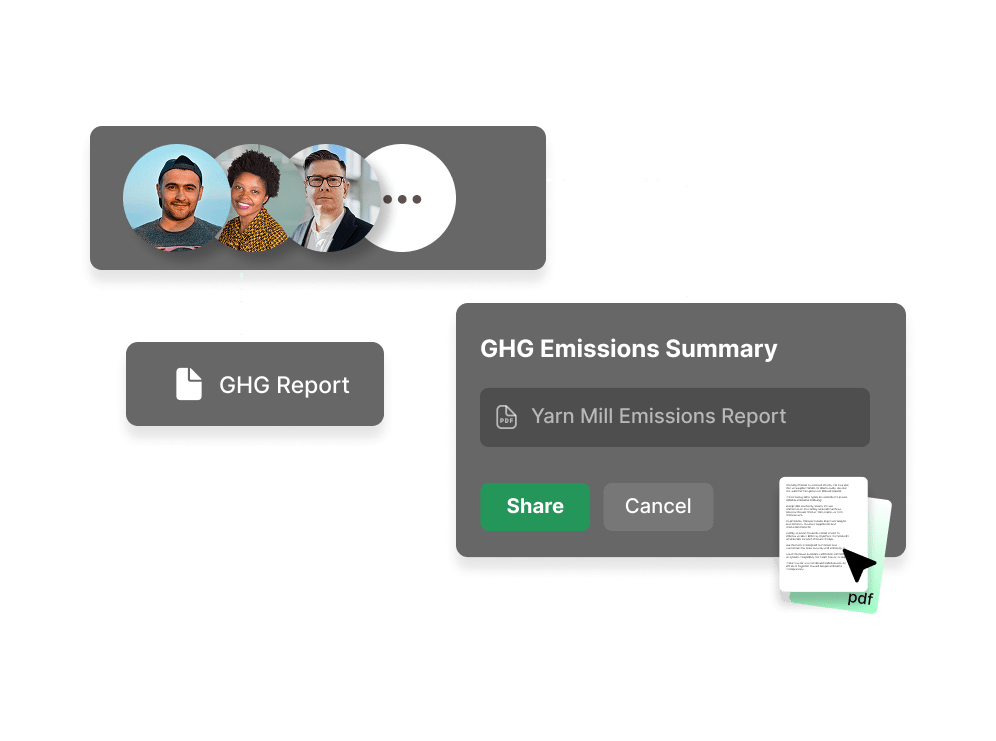
Generate tailored reports for investors, ESG frameworks, and teams with full audit trails.
Need more information? Contact us anytime and experience a free demo.
Carbon accounting is the process of measuring and reporting greenhouse gas (GHG) emissions across your business operations and supply chain. For fashion brands, it’s the foundation of climate strategy — helping you understand your footprint, comply with regulations, and take informed action on Scope 1, 2, and 3 emissions.
GreenStitch supports full-spectrum carbon accounting:
We specialise in Scope 3.1 emissions (purchased goods & services), using activity-based methods and textile-specific datasets.
Most platforms rely on generic spend-based estimates. GreenStitch delivers audit-grade, activity-based emissions linked to actual material, process, and supplier data. Our platform integrates with your ERP/PLM systems and enables SKU-level hotspot detection, scenario modelling, and science-based target tracking — built specifically for fashion and textiles
Yes. GreenStitch generates carbon reports aligned with global frameworks like GHG Protocol, CSRD, CBAM, SBTi, BRSR, and CDP. Our platform provides export-ready data and traceable methodology references for regulators, investors, and sustainability disclosures.