
📄NEW REPORT
Digital Product Passports: Designing for future regulation, now — GreenStitch × Future Snoops.Read the Report →

DPP Software for Fashion & Textile Industry

GreenStitch helps fashion and textile brands build Digital Product Passports from verified lifecycle, traceability, and supplier data. Our platform connects product design information, supply-chain records, and environmental/ carbon impact data into structured DPP-ready records aligned with the evolving requirements of the EU Ecodesign for Sustainable Products Regulation (ESPR).

DPP hero animation fallback

Trusted By

        One-Click Passport Generation

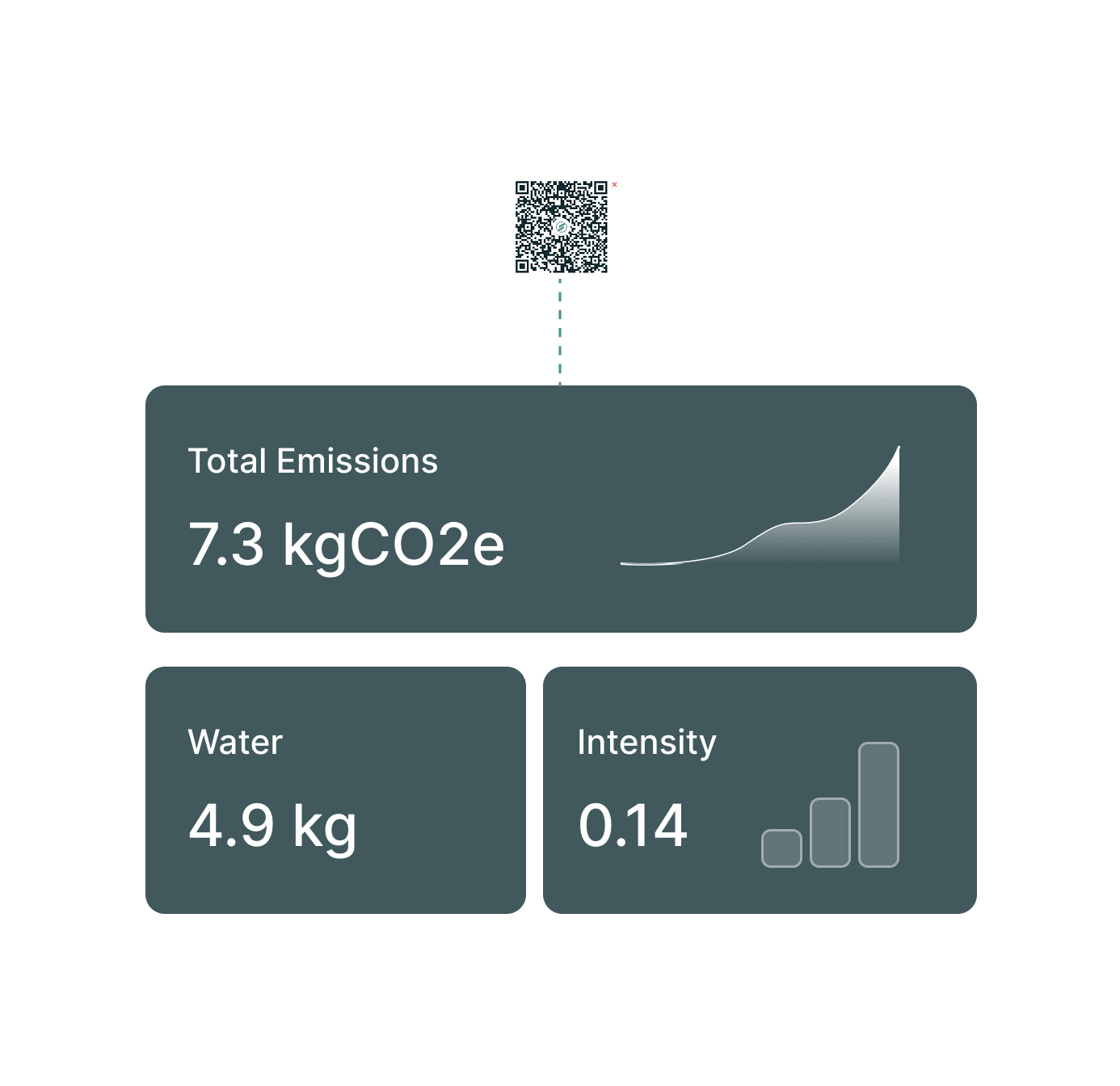
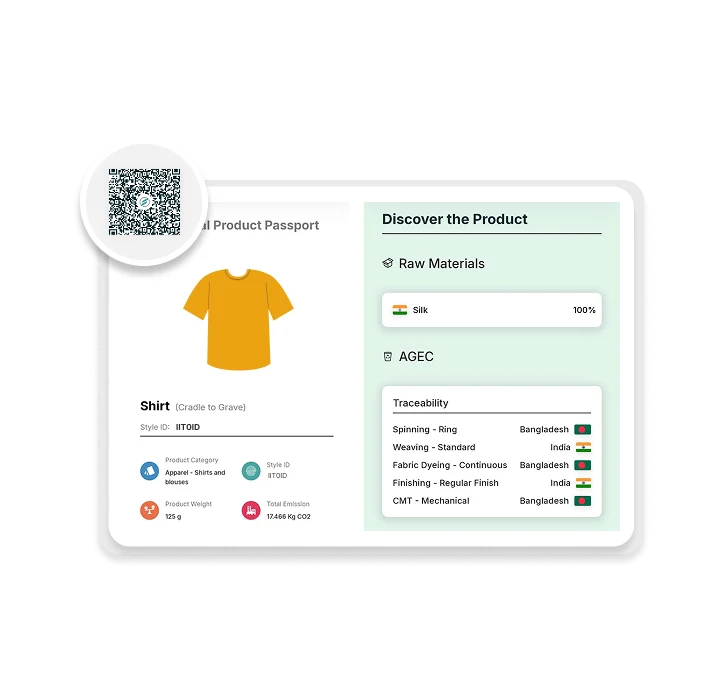
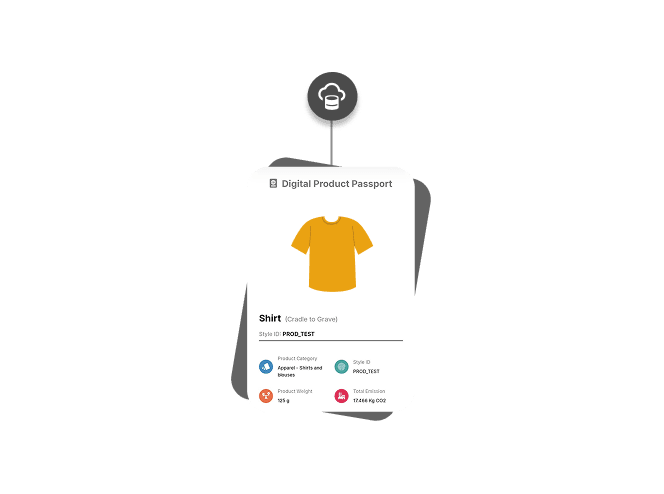
        Generate Digital Product Passports directly from verified product, supplier, and lifecycle data. GreenStitch consolidates information from Bills of Materials (BOMs), supplier declarations, traceability records, and environmental assessments into structured DPP-ready records designed to evolve alongside future EU requirements.

        dpp product page 1 new QR
        dpp product page 2 new QR

        Model-Level & Batch-Level Data Management

        Manage both design-stage and production-stage information within a single platform.

        Capture model-level data such as fibre composition, robustness, recyclability, care instructions, and product specifications, while also collecting batch-level information including recycled content percentages, production details, certifications, and supplier-provided compliance data.

        Lifecycle & Environmental/ Carbon Impact Integration

        Connect verified lifecycle assessment data with product records to support environmental/ carbon footprint reporting and future DPP requirements.

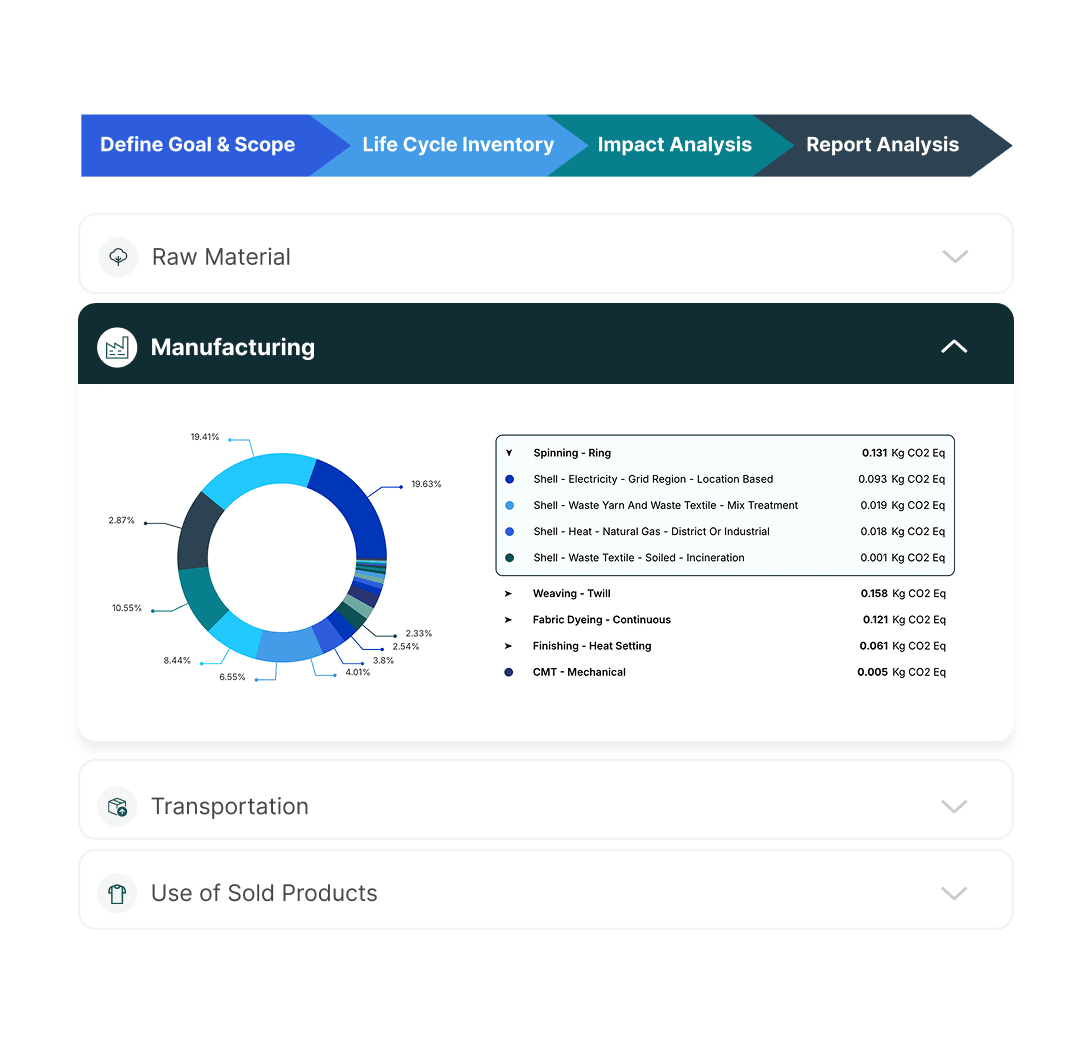
        GreenStitch integrates environmental/ carbon impact information across raw materials, manufacturing, transportation, use, and end-of-life stages while enabling the collection of primary supplier data required for more accurate product-level assessments over time.

        Fibre-to-Finish Modelling 1
        dpp product page 3 new QR

        Prepare for Future DPP Performance Requirements

        The latest JRC textile DPP framework introduces four Design Options (DO1–DO4) covering durability, recyclability, recycled content, and environmental/ carbon footprint. From robustness, recyclability and recycled-content verification to environmental/ carbon footprint calculations and durability-related product information, our platform helps teams build DPP-ready data infrastructure before compliance deadlines arrive.

        Build the Data Foundation for Digital Product Passports

        Digital Product Passports are data programmes that bring together product design, supplier information, traceability, and environmental performance.

        GreenStitch helps brands create scalable DPP-ready infrastructure for upcoming ESPR requirements and future circular business models.

        Frequently Asked Questions

        Have questions? Contact us to learn more and see the platform in action.

        A Digital Product Passport is a digital record that provides structured information about a product, including what it is made of, its robustness, how recyclable it is, how much recycled content it has, its environmental/ carbon footprint, and how it should be cared for and handled at end of life. For textile products sold in the EU, DPPs are expected to become a key requirement under the Ecodesign for Sustainable Products Regulation (ESPR), with enforcement currently projected for mid-to-late 2029. DPPs are designed to support transparency, circularity, repair, resale, recycling, and informed purchasing decisions.

        Based on the current regulatory timeline, DPP enforcement for textiles is expected to begin in mid-to-late 2029. Before that, several milestones are expected, including the JRC 4th (Final) Milestone in late 2026 and the Textiles Delegated Act draft proposal in late 2027, followed by formal adoption in early-to-mid 2028. Final timelines remain subject to the EU legislative process and may change as the Delegated Act progresses.

        While final requirements will be confirmed through future legislation, current proposals indicate that DPPs will include information such as product identifiers, fibre composition, robustness, recyclability, recycled content, care instructions, end-of-life information, environmental/ carbon footprint data, and substances of concern. Data may be collected at model level (such as product design specifications) and batch level (such as recycled content percentages and production-specific information). Supplier data from multiple tiers of the supply chain is expected to play a critical role in supporting DPP requirements.

        GreenStitch connects with existing PLM, ERP, supplier, and sustainability systems to collect and organise product and supply-chain data. The platform supports both model-level information, such as fibre composition, robustness, care instructions, and recyclability characteristics, and batch-level information, such as recycled content percentages, certification records, production details, and supplier-provided compliance data. This helps brands build the data foundation required for future DPP implementation.

        Yes. GreenStitch is designed to connect with existing ERP and PLM systems and can pull information directly from Bills of Materials (BOMs), supplier declarations, lifecycle assessment data, and supply-chain records. This enables brands to consolidate product, environmental, and traceability information into a single DPP-ready data infrastructure.

        GreenStitch is designed to support evolving DPP system requirements, including structured product identifiers, supply-chain event data, and interoperability frameworks referenced in current EU technical discussions. The platform is built to support capabilities such as GS1 Digital Link, EPCIS 2.0 compatibility, alignment with emerging CEN/CENELEC system standards, and future integration with the EU DPP Registry as requirements are finalised.

        GreenStitch includes lifecycle assessment (LCA) capabilities that help brands collect, manage, and verify environmental/ carbon impact data across product lifecycles. The platform supports the integration of environmental footprint information from product design, supplier declarations, and manufacturing data, helping organisations prepare for future DPP environmental footprint requirements and transition from industry-average datasets toward verified primary data over time.

        ?