
GreenStitch empowers you to plan, simulate, and scale decarbonisation across your entire value chain — whether you’re aligning with SBTi-FLAG or pursuing your own reduction goals. Built for fashion’s fragmented supply chains, we make it easy to move from targets to supplier-level action with real business insight.
Trusted By


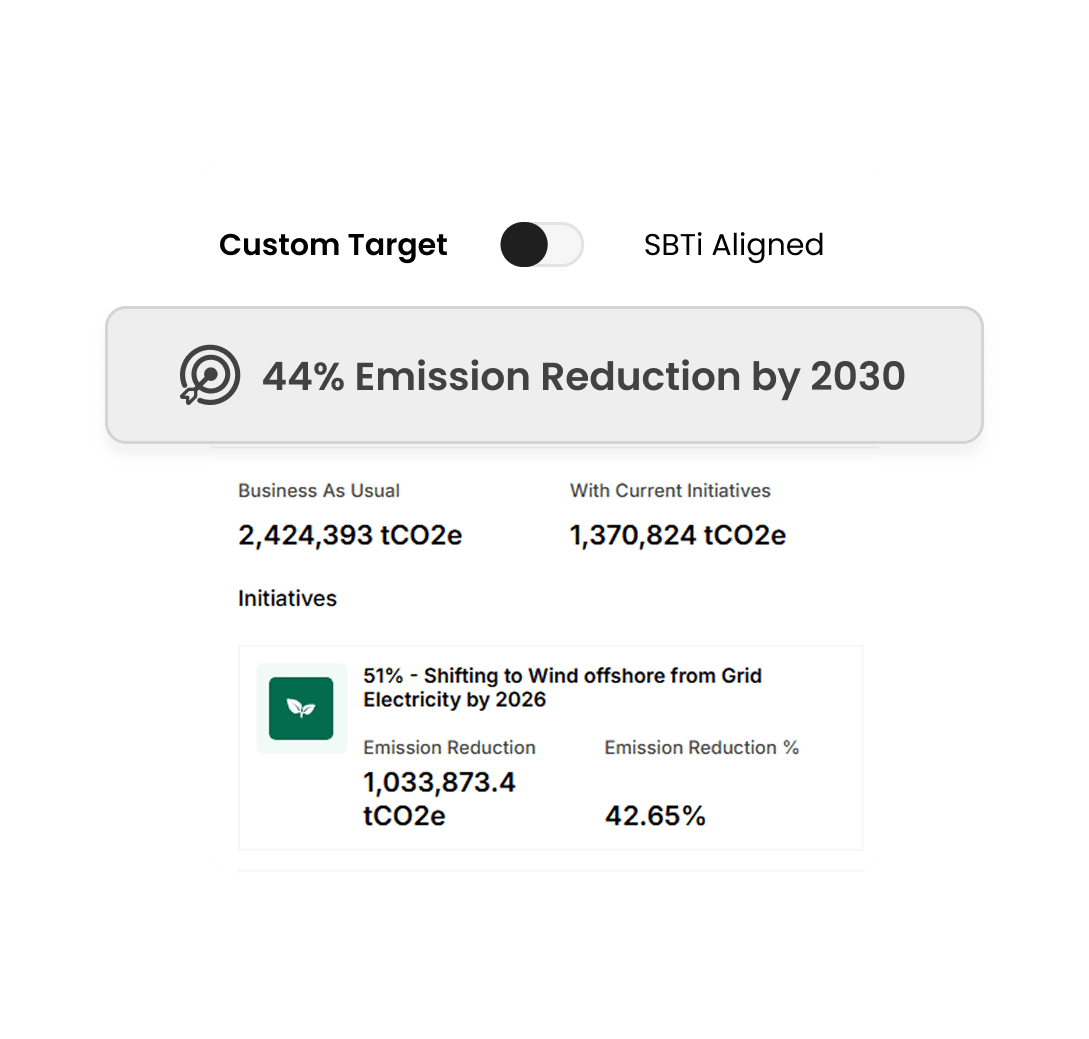
Build reduction roadmaps tailored to your business. Set FLAG-aligned or fully custom emissions targets across Scope 1 (owned operations), Scope 2 (purchased energy), and Scope 3 (supply chain and downstream impacts). GreenStitch’s engine supports multiple target frameworks — including SBTi, internal ESG mandates, and regional compliance (e.g. EU CBAM, India BRSR) — while dynamically adjusting for country-specific energy grids, regulations, and product footprints.
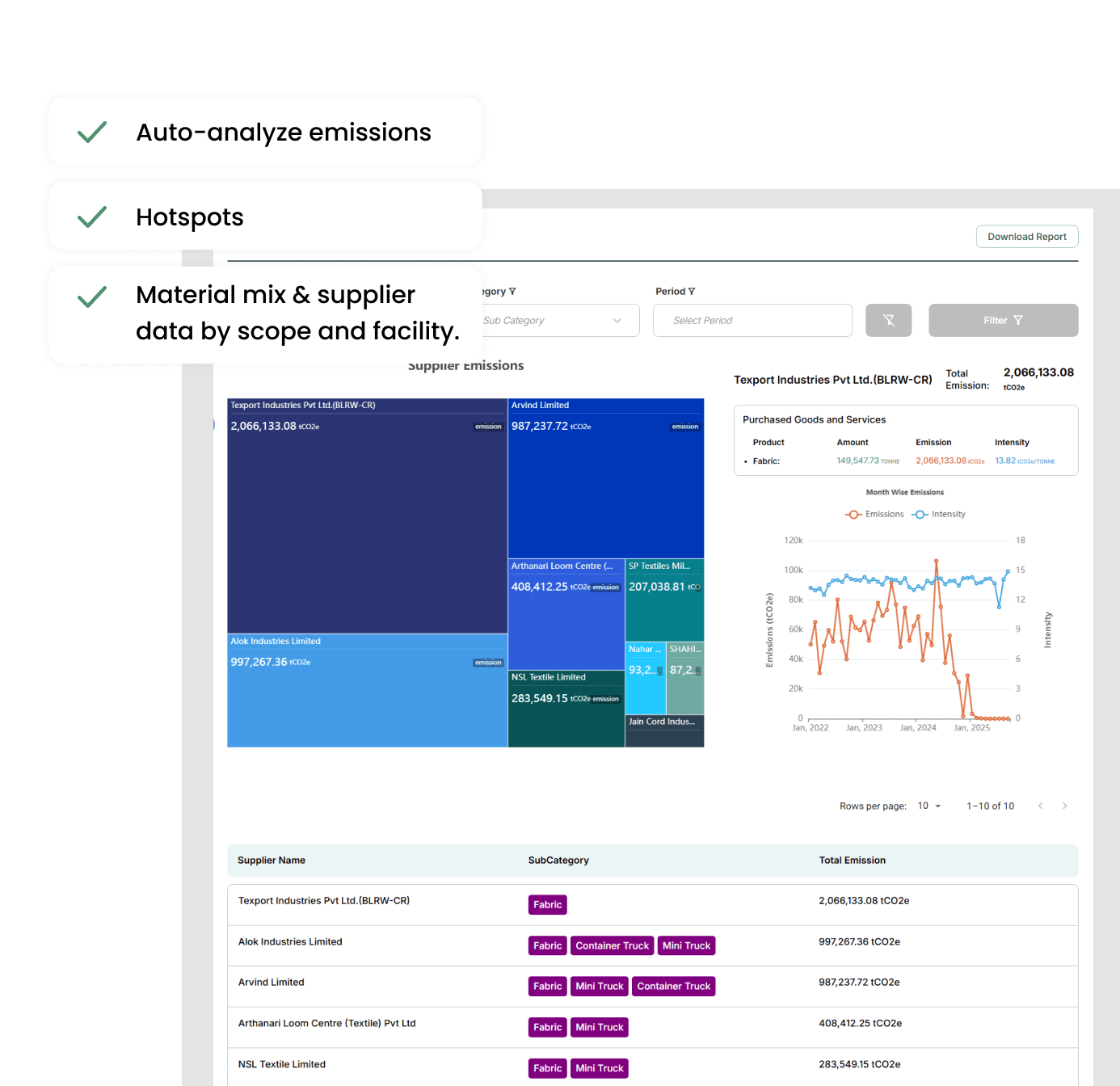
Uncover and rank hotspots where decarbonisation will move the needle. Map emissions intensity across thousands of SKUs, supplier tiers, regions, and manufacturing processes. Prioritise factories and material categories by carbon load, financial leverage, and compliance urgency — with contextual filters for product lines, sourcing locations, and factory ownership structures.
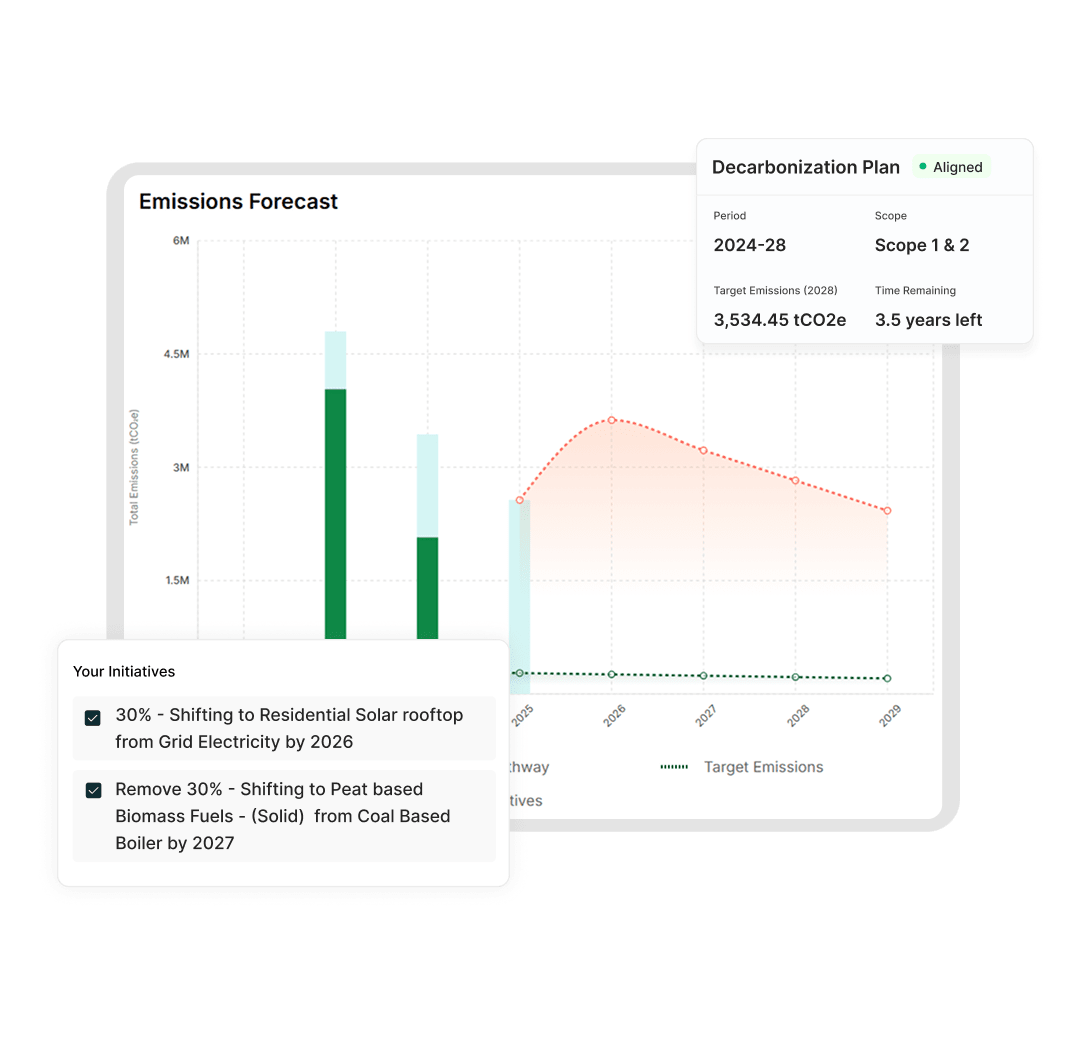
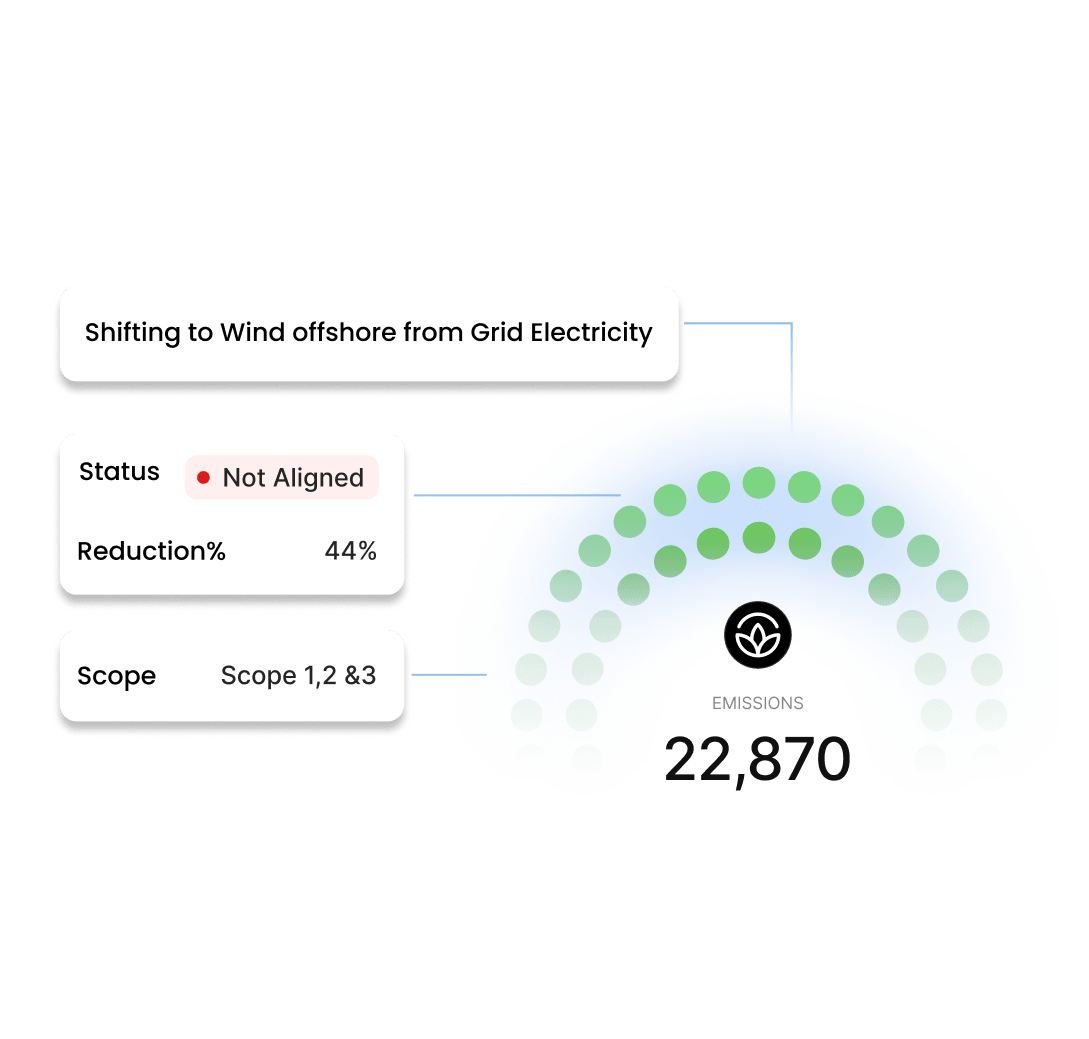
Simulate a wide range of carbon reduction strategies — from switching to renewable energy and cleaner dyeing techniques to optimising transport modes and shifting material mix. Models reflect your growth trajectory, supplier readiness, and operational constraints — not just ideal-state assumptions. Test timelines, trade-offs, and feasibility across multiple decarbonisation pathways.
Stay ahead of reporting cycles and track what’s working. Visual dashboards monitor carbon reductions, financial outcomes, and initiative progress — across scopes, geographies, facilities, and vendors. Benchmark supplier performance, track initiative adoption rates, and export audit-ready reports aligned with CSRD, buyer questionnaires, and internal targets.
GreenStitch transforms complex supply chain emissions into a structured decarbonisation plan you can act on. From mapping supplier-level hotspots to setting region-specific targets and modelling realistic interventions, our platform helps you move beyond carbon accounting to strategic action.
GreenStitch integrates with your ERP, PLM, BOMs, and supplier systems to quantify full-scope emissions. It applies regional emission factors, material-specific databases, and smart defaults to cover purchased goods, energy, transport, consumer use, and end-of-life. Emissions are mapped to products, suppliers, and facilities for full traceability.
Once your baseline is set, GreenStitch helps define and manage emissions goals across your value chain. You can configure SBTi-aligned or FLAG-specific targets, apply facility-level or category-based pathways, and adapt to growth, portfolio structure, and regulations like EU CBAM or India’s BRSR. Targets are flexible, trackable, and built to scale.
Our platform highlights your highest-emission areas using supplier-level data by factory, process, geography, and material. You can identify key drivers like fibre blends, dyeing stages, transport routes, or packaging types. This enables focused supplier engagement, resource prioritisation, and targeted intervention where it matters most.
Model and compare decarbonisation strategies before acting. GreenStitch lets you simulate changes like switching materials, installing renewables, or altering logistics modes — and evaluates emissions savings, feasibility, ROI, and long-term impact. You can then track results and export audit-ready reports for frameworks like CSRD, CDP, and TCFD.
Need more information? Contact us anytime and experience a free demo.
Supply chain decarbonisation refers to reducing greenhouse gas (GHG) emissions across a fashion brand’s entire value chain — from raw material sourcing to final product delivery. Since over 90% of fashion’s emissions occur in Scope 3, especially in Tier 2 and 3 suppliers, decarbonising the supply chain is essential for meeting climate targets, managing regulatory risk, and protecting long-term brand value.
GreenStitch enables brands to model strategic reduction pathways across all scopes:
Our platform integrates verified carbon data and supports SBTi FLAG or custom targets based on regional policies and business priorities.
Our smart scenario engine lets you simulate the emissions and ROI impact of interventions like switching materials, migrating suppliers, changing transport modes, or transitioning to renewable energy. It factors in growth forecasts, cost constraints, and policy contexts — helping you prioritise high-impact, feasible initiatives.
Yes. Our platform conducts opportunity mapping across your supplier base to highlight carbon-intensive factories, regions, or processes. This allows you to prioritise hotspots for decarbonisation — whether it’s dyeing mills in Tier 2, energy usage in Tier 1, or logistics-related emissions in downstream transport.