
In fashion’s increasingly carbon-conscious landscape, more brands are pledging to “offset” their emissions than ever before. But behind the polished headlines and glossy sustainability reports, a harder question is being asked: are these offsets actually doing what they claim?
As regulatory pressure builds, fashion’s climate strategies are facing a credibility reckoning. Consumers are more sceptical. Investors are more watchful. And policymakers are making it clear: vague carbon promises and unverifiable offsets are no longer enough.
This is where the distinction between carbon offsetting and carbon insetting becomes critical. While both are aimed at reducing climate impact, they operate in fundamentally different ways and come with very different implications for supply chains, accountability, and long-term value creation.
Brands like GANNI and Stella McCartney began shifting their focus away from generic offsets and toward insetting strategies rooted in their own supply chains, from regenerative cotton farms to solar-powered factories. At the same time, a wave of investigations (including coverage by Mongabay and The Guardian) raised doubts about the legitimacy of the carbon credit market, fuelling demands for change.
For fashion brands today, the question isn’t whether to take climate action. It’s how and whether that action creates a measurable, meaningful impact within the business, not just beyond it.
Let’s get clear on definitions.
What Is Carbon Offsetting vs Insetting?
What is Carbon Offsetting?
Carbon offsetting refers to purchasing credits that represent emissions reduced or removed outside a company’s own value chain. In fashion, this has typically meant investing in projects like reforestation, clean cookstoves, or renewable energy installations in unrelated geographies.
It’s long been a popular approach, fast, relatively low-cost, and easily marketable. But its credibility has come under fire. Studies show that many offset credits don’t reflect real reductions. In some cases, they overstate benefits, double-count emissions savings, or fund projects that would have happened anyway.
More importantly for fashion, offsets don’t directly reduce emissions from your own supply chain.
What is Carbon Insetting?
Carbon insetting refers to emissions reduction or removal projects that take place within a brand’s own value chain — typically among raw material producers, factories, logistics partners, or recyclers.
Rather than outsourcing responsibility, insetting creates climate benefits where the brand already operates. Think: transitioning dye houses to renewable energy, supporting regenerative cotton farming, or co-investing in supplier energy upgrades.
Insetting isn’t just about geography; it’s about control and accountability. It allows brands to align climate goals with sourcing, supply chain resilience, and stakeholder engagement. Done well, it also avoids many of the verification pitfalls of offsetting.
| Feature | Offsetting | Insetting |
| Where | Outside the value chain | Within the value chain |
| Examples | Reforestation credits, wind farms in other countries | Regenerative cotton, solar at supplier factories |
| Credibility risk | High (verification, permanence, double counting) | Lower (closer control, traceability) |
| Impact on Scope 3 | Minimal | Direct |
| Co-benefits | Often generic or disconnected | Tailored to supply chain and communities |
| Strategic value | Reputational | Operational + reputational |
Why Fashion Must Rethink Offsetting
The era of unchecked offsetting is coming to a close — not just ethically, but legally.
Over the past two years, multiple investigations have revealed major flaws in the voluntary carbon market. Some forestry projects used to sell carbon credits were found to be over-crediting or failing to deliver the promised emissions reductions. Others were linked to land rights violations or ecological harm.
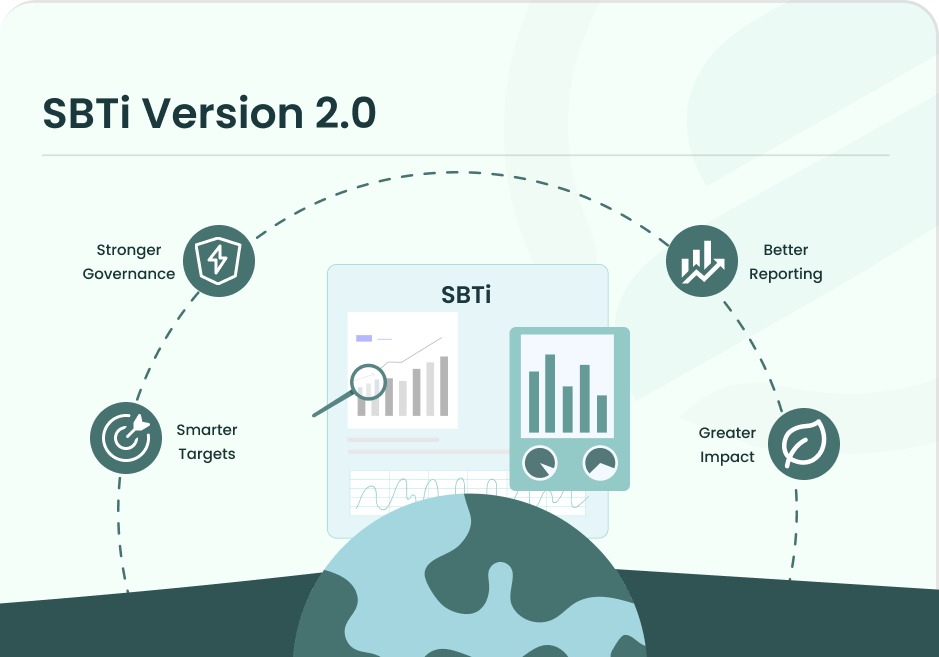
The Science Based Targets Initiative (SBTi) now restricts the use of offsets to no more than 10% of a company’s emissions footprint. The rest must be reduced within the value chain.
And under CSRD, companies must disclose their Scope 1, 2, and 3 emissions alongside transition plans, meaning real reductions, not compensation, are expected.
That doesn’t mean offsetting has no place. But its role is shifting from “primary climate strategy” to “last-mile compensation”, a tool for residual emissions that can’t yet be eliminated. For everything else, brands are expected to take action where it matters most: their own supply chains.
Why Insetting Is a Better Fit for Fashion Brands
For fashion, most emissions don’t come from HQ offices or retail stores. They come from the mills that spin yarn, the dyehouses that colour fabric, and the factories that cut and sew garments. These upstream activities, part of Scope 3, account for more than 95% of a typical brand’s carbon footprint.
And yet, the majority of climate claims in fashion today rely on actions that take place outside this footprint. That’s the problem with offsetting: it allows brands to buy their way into carbon neutrality without addressing the systems and suppliers actually driving their emissions.
Insetting flips that model. It focuses investment on the real sources of emissions, and the people who can change them.
Deep Scope 3 Coverage
Insetting is designed for the parts of the supply chain that brands don’t own, but still influence. It helps reduce emissions where they are hardest to reach but most essential to act on: raw materials, manufacturing, and transport.
Regulatory Readiness
Insetting aligns with emerging policy frameworks. The SBTi Net-Zero Standard requires 90% of reductions to happen within the value chain. CSRD and CSDDD call for action on supply chain impacts, not just disclosure.
Insetting helps brands prepare for these rules now, while offsets may leave them exposed.
Operational & Supply Chain Resilience
Insetting builds resilience by strengthening the supply chain from within. Co-investing in clean energy, regenerative practices, or efficiency upgrades reduces exposure to energy shocks, climate risks, and compliance delays. It’s not just carbon reduction, it’s future-proofing your sourcing strategy and securing long-term supplier reliability.
Nature and Community Co-Benefits
Insetting often delivers broader positive outcomes from improved soil health and biodiversity to better livelihoods for farmers and factory workers. That’s because insetting projects are rooted in the real communities that power fashion’s value chains. Done right, it creates value for people and the planet, not just carbon math.
Brand Storytelling & Consumer Trust
Consumers are becoming increasingly sceptical of abstract carbon claims. Insetting offers brands a more tangible and traceable story, one they can link to a specific supply chain intervention, product, or region. That kind of storytelling is harder to fake and easier to believe.
Unlocking Value, Not Just Reducing Harm
Unlike offsetting, which often functions as a sunk cost, insetting can deliver value across procurement, compliance, marketing, and risk management. In short, insetting doesn’t just help fashion brands do less harm. It helps them build better systems with real, long-term impact baked in.
Insetting Strategies For Fashion Brands
For fashion brands serious about decarbonisation, insetting offers a clear path forward. An approach that is grounded in practical interventions, projects that directly target emissions within the value chain, rather than outsourcing responsibility.
These strategies aren’t experimental. Many are already being piloted or scaled by forward-looking brands, often in collaboration with suppliers, NGOs, or financing platforms. What matters is choosing interventions that target your specific emissions hotspots and embedding them into sourcing and production decisions.
1. Renewable Energy at Supplier Factories
Switching from coal or diesel to solar, wind, or hydro at Tier 1 and Tier 2 factories is one of the most direct ways to cut emissions. This could mean rooftop solar at dyehouses, shared wind power agreements in industrial zones, or co-funding grid access for cleaner electricity.
→ Example: Stella McCartney and The Fashion Pact are investing in clean energy transitions across their core suppliers.
2. Regenerative Agriculture for Raw Materials
From cotton and wool to rubber and leather, regeneratively grown materials store more carbon, improve soil health, and reduce fertiliser emissions. Brands can support this by funding farmer training, paying premiums for regenerative fibres, or co-developing long-term sourcing contracts.
→ Example: Kering has invested in regenerative cotton projects in India and the US, linking them directly to their product lines.
3. Forest and Ecosystem Restoration in Sourcing Regions
When brands source from deforested or degraded regions, investing in ecosystem restoration like reforestation or agroforestry can count as insetting if tied to their supply chain. These projects sequester carbon and restore biodiversity, and allow for compliance with SBTi FLAG targets.
→ Example: Kering’s Regenerative Fund for Nature supports reforestation and soil restoration across raw material supply chains, linking emissions reductions to cotton, leather, and wool production in key sourcing regions.
4. Circularity as Insetting
Designing out waste and keeping fibres in use can reduce both upstream extraction and downstream emissions. Textile-to-textile recycling, verified composting, or closed-loop resale models can be counted as insetting if they prevent new virgin material production.
→ Example: GANNI has piloted fibre-to-fibre recycling projects with certified tracing to show Scope 3 impact reduction.
5. Supplier Enablement and Financing Models
Most suppliers can’t absorb the upfront cost of decarbonisation. Brands can use purchase commitments, volume guarantees, or blended finance models to de-risk change. Some insetting initiatives now include access to low-interest loans or grant-matching for climate upgrades.
→ Example: The Future Supplier Initiative (by Aii, Fashion Pact, and DBS Bank) funds supplier-side decarbonisation in Bangladesh, backed by brands like H&M.
What Carbon Insetting Looks Like in Fashion
This section shows what insetting looks like when applied to real-world supply chains, organised by the emissions hotspots that matter most to fashion.
1. Materials: Where the Emissions Begin
Raw materials can account for over 50% of a product’s carbon footprint. Insetting here means improving how fibres are grown, extracted, or sourced.
- Regenerative cotton and wool: Improving soil carbon and reducing fertiliser use.
- Localised sourcing: Reducing transport emissions by working with regional suppliers.
- Recycled inputs: Verified closed-loop systems to keep fibres in circulation.
→ Example: Timberland is investing in regenerative leather from the US and Brazil to cut upstream emissions.
2. Manufacturing: The Hardest Footprint to Cut
Most fashion emissions are locked in at Tier 2 and Tier 1 — spinning, dyeing, finishing, and stitching. Insetting can include:
- Solar panels at mills and factories
- Switching from coal to biomass or electric boilers
- Waterless or low-heat dyeing technologies
→ Example: The Fashion Pact and partners are helping suppliers transition away from coal-fired heat sources.
3. Logistics: A Hidden Source of Emissions
Transport-related emissions, from ocean freight to last-mile delivery, are often overlooked. Insetting logistics means:
- Switching to lower-emission transport (rail, electric trucks)
- Regional warehousing and consolidation to reduce air freight
- Investing in cleaner shipping fuels
→ Example: Patagonia prioritises low-emission shipping routes and bulk transport planning.
4. End-of-Life: Closing the Loop
Insetting can also extend to downstream impact, especially if it prevents the need for new virgin production.
- Textile recycling with traceable outputs
- Composting for biodegradable fibres
- Take-back schemes that feed verified resale or reuse programs
→ Example: Eileen Fisher runs an in-house resale platform, reintegrating garments into its value chain.
Challenges to Consider
While insetting brings real value, it’s not without challenges:
- Tracking interventions across complex supply chains
- Securing supplier cooperation, especially in shared facilities
- Verifying claims with credible, auditable data
But with clear goals, aligned incentives, and the right partners, insetting becomes a powerful tool not just for emissions reduction, but for building a more resilient, transparent fashion system.
Why Insetting Is Gaining Momentum
Over the past two years, insetting has moved from fringe concept to frontline strategy. It’s not just a climate solution; it’s becoming a compliance, commercial, and brand imperative.
A Better Fit for Net-Zero Pathways
As we previously mentioned, under the SBTi Net-Zero Standard, companies must reduce at least 90% of their emissions within the value chain before using any credits. That makes most offset-heavy strategies non-compliant, and positions insetting as the clearest path forward.
In Line with EU Regulations
The CSRD, CSDDD, ESPR and more all reinforce the same shift:
→ Action must be supply chain–based.
→ Climate claims must be verifiable.
→ Impacts must be traceable.
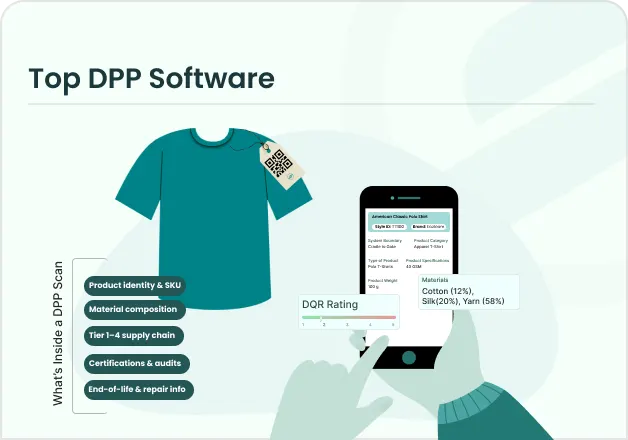
Insetting helps meet all three, especially when integrated with traceability platforms, LCA tools, and upcoming Digital Product Passport (DPP) requirements.
Investor and Buyer Pressure
Large retailers and investors are increasingly scrutinising how carbon claims are made.
→ Zalando now asks suppliers to provide Scope 3 reduction plans.
→ LVMH, Kering, and others are doubling down on regenerative sourcing and traceable decarbonisation efforts.
As buyer expectations shift, suppliers who participate in insetting projects, or enable them, gain a competitive edge.
Traceability as the Enabler
Without supply chain visibility, insetting is impossible to execute or prove. But as traceability tools become more advanced and accessible, it’s easier for brands to link emissions data to suppliers, facilities, and even specific products, and then act on it.
Insetting is gaining momentum because it’s aligned with where fashion is going, not just where it’s been.
Offsetting Still Has a Place — But Know Its Limits
Carbon offsetting isn’t inherently flawed. It has a role to play, particularly when used to compensate for emissions that can’t yet be eliminated. But for fashion brands under increasing scrutiny, how it’s used (and communicated) matters more than ever.
When Offsetting Makes Sense
Offsetting can still be a legitimate strategy for:
- Residual emissions that are currently hard to eliminate (e.g. business travel, last-mile logistics).
- Beyond value chain mitigation, where brands support global climate goals outside their immediate operations.
- Supporting removal-based offsets, like verified reforestation or biochar, which actually take CO₂ out of the atmosphere, not just prevent its release.
How to Use It Responsibly
- Prioritise high-quality, third-party verified projects (e.g. Gold Standard, Verra).
- Prioritising removal-based offsets like afforestation, soil carbon, or biochar, not just avoidance credits
- Avoid broad, unsubstantiated claims like “carbon-neutral clothing line”.
- Be transparent about the role offsets play in your net-zero pathway
The Role of Carbon Removals
While traditional avoidance offsets (e.g. cookstove projects) are facing credibility concerns, carbon removals such as direct air capture or regenerative land management are gaining favour. These can be used to neutralise unavoidable emissions in the long term, but they must be backed by rigorous MRV (Monitoring, Reporting, Verification).
Insetting is always supply-chain linked. Offsetting is external. The two aren’t interchangeable, but they can work in tandem when used transparently and strategically.
The focus now must shift from compensation to reduction, and from generic claims to supply chain impact.
How to Start Insetting: A Step-by-Step Framework for Fashion Brands
Insetting sounds complex, but it doesn’t have to be. The key is to treat it like any other sustainability initiative: start with data, focus on what you can influence, and build from there.
Here’s a practical framework to get started:
Step 1: Identify Your Scope 3 Emissions Hotspots
Use your existing carbon footprint or LCA tools to pinpoint where most of your emissions occur, typically in raw material production, wet processing, and factory energy use. Prioritise categories and geographies with the biggest climate impact and the greatest leverage.
Bonus tip: You can use sustainability software like GreenStitch to easily identify emissions hotspots and build strategies for targeted action.
Step 2: Prioritise Insetting Opportunities in Your Value Chain
Look for interventions that sit within your control or influence, where you have established supplier relationships, aligned sustainability goals, or purchasing power. Insetting works best when embedded into procurement, not added on after the fact.
Step 3: Co-Invest in Emission Reductions
This could include:
- Installing rooftop solar at dyehouses
- Funding regenerative cotton transitions
- Offering volume guarantees in exchange for low-carbon upgrades
- Paying a premium for recycled or circular inputs
Step 4: Verify Progress with Third-Party Standards
Use MRV-aligned frameworks to validate emission reductions. Traceability solution providers like GreenStitch and audit platforms can help link interventions to actual production volumes and outputs.
Step 5: Integrate Into Reporting, Traceability & Storytelling
Embed your insetting projects into CSRD disclosures, Digital Product Passports, and buyer-facing platforms. Use data-backed storytelling to build consumer trust and avoid vague claims.
Bonus Tip: Insetting becomes even more valuable when linked with your digital traceability tools, helping connect emissions data to material flows, purchase orders, and compliance documentation in one system.
How to Make Sure Your Insetting Is Credible?
As insetting gains momentum, scrutiny will follow. For insetting to hold up to regulators, auditors, investors, or consumers, it needs proof.
We’ve already covered some of the essentials: Transparent MRV, alignment with science-based standards, and the use of third-party tools.
Here are three more fundamentals to get right:
Use Measurable Baselines and Transparent MRV
Start by quantifying your starting point. Whether it’s the emissions intensity of cotton production or energy use at a factory, you need clear, consistent metrics to show reductions over time. No baseline = no impact.
Avoid Double-Counting and Green Claim Pitfalls
Make sure reductions are claimed only once, by one actor. This is especially important when working with shared suppliers or third-party projects. Any overlap in crediting, whether intentional or not, undermines your credibility.
- Linked to your actual supply chain (not general donations)
- Clear emission reduction pathway and baseline
- MRV and/or third-party verification in place
- Avoids credit resale or double-claiming
- Tied to product volumes or POs, where possible
- Communicated transparently, not as “neutrality”
How GreenStitch Can Help Fashion Brands With Carbon Insetting
Insetting is only as strong as the data that underpins it. To move beyond ambition, fashion brands need tools that quantify Scope 3 emissions at scale, link interventions directly to products and suppliers, and track progress with traceability-level precision.
This is where GreenStitch come in.
1. Full-Scope Visibility
GreenStitch maps emissions across all 15 Scope 3 categories, from raw material cultivation and wet processing to transport, packaging, and end-of-life. This makes it possible to identify credible insetting opportunities in the areas that matter most, not just where data is easiest to access.
2. Supplier-Level Hotspot Analysis
Fashion’s emissions are fragmented across thousands of suppliers. GreenStitch pinpoints hotspots down to individual vendors, enabling targeted co-investment, buyer-supplier collaboration, and emission tracking at the SKU or PO level, all essential for insetting accountability.
3. Insetting Scenario Modelling
GreenStitch allows sustainability teams to simulate reduction scenarios — like transitioning a key mill to solar, investing in regenerative cotton, or shifting to sea freight — and assess their potential carbon impact before committing capital. This brings clarity to complex trade-offs.
Conclusion
Carbon insetting marks a meaningful evolution in how fashion tackles its climate impact. Instead of relying on external credits, brands are beginning to act within their own value chains, funding solutions that reduce emissions at the source and strengthen long-term resilience.
Offsetting may still play a role for residual emissions, but it no longer satisfies rising expectations from stakeholders. The industry is being asked to prove impact, not just purchase it.
Insetting allows brands to connect climate action with sourcing, compliance, and supplier partnerships. It creates measurable results, improves data integrity, and supports better outcomes for both people and the planet.